
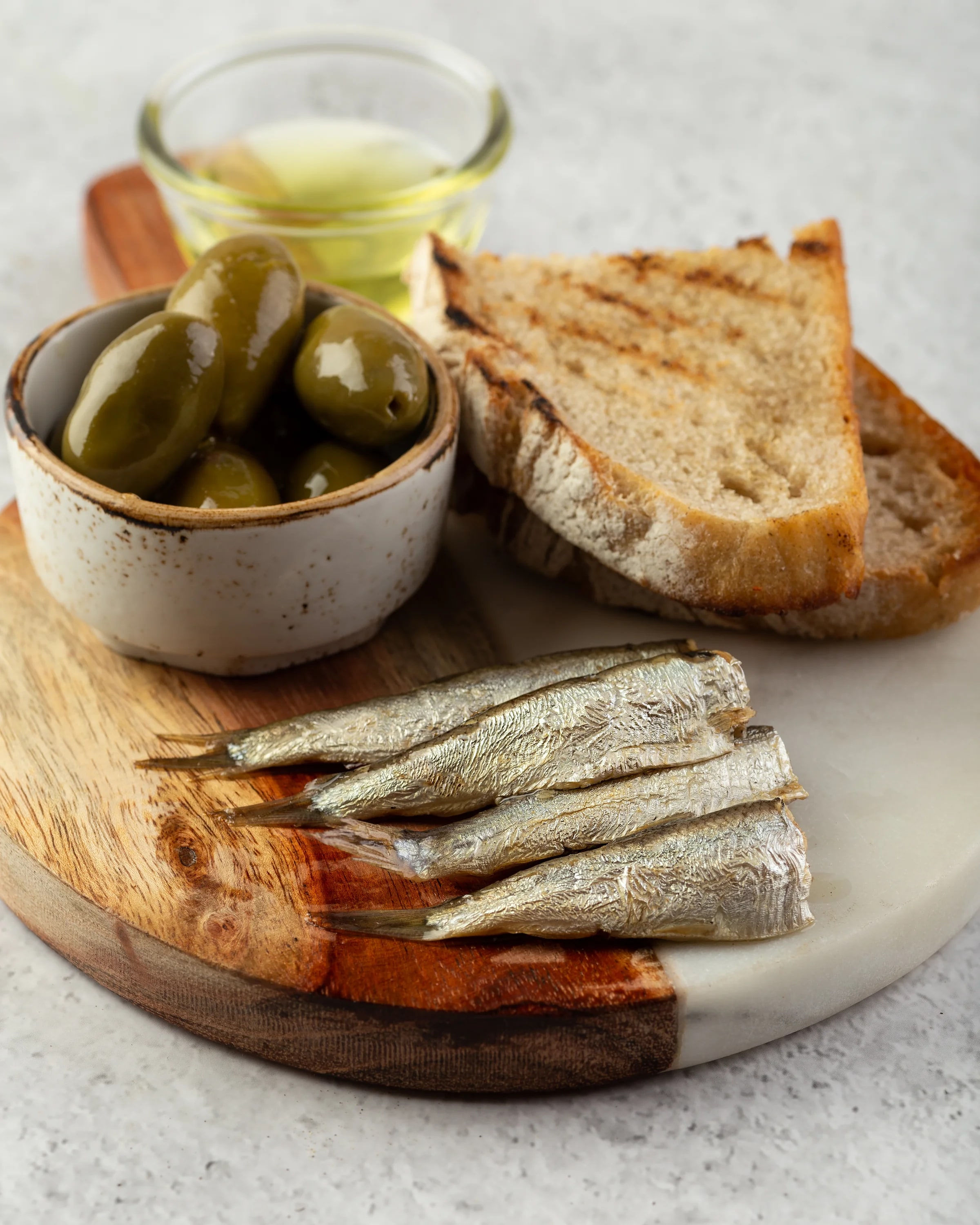
The short answer
Species identity and commercial food terminology answer different questions.
European sprat and European pilchard are not the same biological species. European sprat is Sprattus sprattus; European pilchard is Sardina pilchardus. Codex CXS 94-1981 nevertheless includes European sprat among the species that may be used for canned sardines and sardine-type products. A qualified designation such as “Brisling Sardines” can therefore describe a recognised product type when it is transparent, non-misleading and permitted by the law and custom of the destination market.
That final condition matters. Codex is an influential international food standard, not a universal label approval. A manufacturer or importer must still check the commercial designation, mandatory particulars and presentation rules in every market where the product will be sold. This article explains the framework; it is not legal advice for a specific label.
Sprat and sardine are not the same species
European sprat, Sprattus sprattus, and European pilchard, Sardina pilchardus, are both small oily fish in the herring family, Clupeidae. They are related, but their scientific names identify distinct species. A correct product specification must preserve that distinction: a sprat does not become Sardina pilchardus because it is canned or because a familiar commercial term appears on the front of a pack.
The distinction is visible as well as taxonomic. FAO identification material notes differences in the belly keel, fin-scale features and fin position. These are technical identification characteristics, not a quality ranking. Size, season, handling and preparation also influence the product a consumer experiences, so species identity is only one part of the complete description.
Related fish. Distinct biological identities.
- European spratSprattus sprattus
A small pelagic fish in Clupeidae. Recognised in Codex CXS 94-1981 for sardine-type canned products.
Names include European sprat, sprat and brisling, depending on market. - European pilchardSardina pilchardus
A distinct species in the same family. Codex reserves the unqualified canned-food name “Sardines” for this species.
Often designated European pilchard or sardine, depending on market.
Why “sardine” can also describe a product category
Biology classifies living organisms. Food standards classify products so that trade, composition, safety and labelling can be discussed consistently. In canned seafood, “sardine-type products” is a defined standards category covering several named small pelagic species. The category does not erase the species; it sets the conditions under which a product may be made and named.
This is why a qualifying word is important. It can signal the species, common name, geography or established product tradition while retaining a recognisable canned-food category. The useful question is whether the complete designation tells the truth, follows the relevant standard and complies with the destination market.
From the fish to the final label
- 01Biological species
Sprattus sprattus identifies the fish.
- 02Product standard
Codex recognises it for sardine-type canned products.
- 03Commercial designation
A qualifier communicates the product type or common name.
- 04Destination-market label
National rules determine the final lawful presentation.
What Codex Alimentarius says
Codex Alimentarius is the international food-standards programme of the FAO and WHO. Its standards support consumer protection and fair food trade and often inform national rules and commercial specifications. The current 2024 edition of CXS 94-1981 covers canned sardines and sardine-type products packed in water, oil or another suitable medium.
Section 2.1 lists the permitted species and expressly includes Sprattus sprattus. Section 6.1 reserves the unqualified name “Sardines” for Sardina pilchardus. Other listed species use “X sardines”, where X may identify a country, geographical area, species or common name, in accordance with the law and custom of the country of sale and without misleading the consumer. Those provisions must be read together.
Codex includes European sprat in the product standard. It does not turn European sprat into European pilchard.
One standard. Several recognised species.
- 01Sardina pilchardus
The species for which Codex reserves the unqualified name “Sardines”.
- 02Sprattus sprattus
European sprat; included in the recognised species list.
- 03Sardinella species
Several named species are included in the standard.
- 04Other listed small pelagics
The standard contains further named species under defined conditions.
What “Brisling Sardines” means
Brisling is an established common and commercial designation for Sprattus sprattus in parts of northern Europe. The European Commission’s commercial-name database records “Brisling” for the species in several Member States, while other countries use European sprat, sprat, sprot or a local-language equivalent. EU customs terminology also groups “brisling or sprats” with Sprattus sprattus.
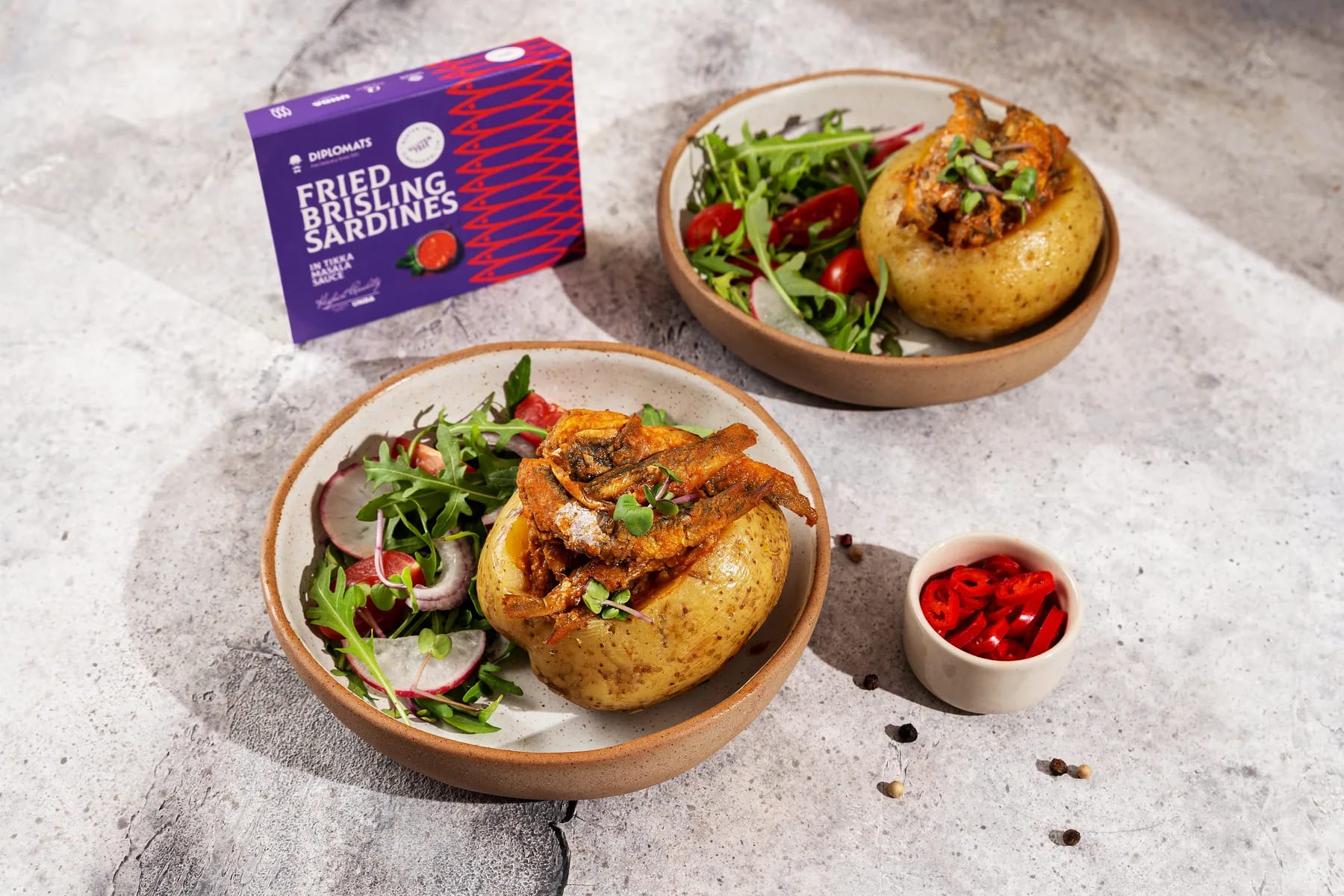
In a canned product, “Brisling Sardines” combines that recognised sprat designation with the sardine-type product category. Used correctly, it distinguishes the product from unqualified “Sardines” made from Sardina pilchardus. Technical documentation can add the scientific name, ingredients, preparation and market-specific particulars so that the species remains explicit rather than hidden.
Why market-specific rules still matter
Codex standards provide a shared international reference, but countries implement naming and consumer-information rules through their own legal systems. In the EU, Regulation (EU) No 1379/2013 requires Member States to publish accepted commercial designations together with scientific names for covered fishery products. Application also depends on the form in which the fish is offered and the wider food-information framework.
The United Kingdom, United States and other export markets have their own naming structures, enforcement practice and label-review expectations. A phrase accepted in one market cannot simply be copied to every other pack. Label approval must therefore be part of product development: confirm the market, product category, species, recipe, pack language and mandatory declarations before artwork is released.
Does the name mislead consumers?
A designation is useful only when the complete presentation is clear. Good labelling identifies the commercial product type, preserves species transparency and avoids implying that the fish is Sardina pilchardus when it is Sprattus sprattus. The ingredient list, scientific or technical documentation and other mandatory particulars should reinforce that understanding.
Confusion usually comes from showing only one layer of the answer. Saying “sprat is a sardine” is biologically wrong. Saying “sprat can never appear in a sardine-type canned product” ignores the Codex standard. Accurate communication keeps the layers separate and then shows how they connect.
Clarity comes from the complete information set
- 01Commercial name
The market-approved product designation.
- 02Species identity
Scientific or supporting technical identification where required.
- 03Ingredients and preparation
What the product contains and how it is presented.
- 04Pack and market particulars
Net weight and other mandatory destination information.
The Baltic brisling tradition
European sprat has a long place in Baltic and northern European food culture. Its small size and characteristic texture suit smoking, careful arrangement in cans, oil preparations and a wide range of sauces. Brisling products became part of international trade because the fish could carry a distinct regional preparation while travelling far beyond the coast where it was produced.
Tradition does not create an exclusive legal right to a name, and it does not remove the need for modern specifications. It explains why the designation is understood in established markets: “brisling” communicates a small sprat-based product tradition, while the rest of the label communicates recipe, format and compliance.
The Diplomats approach
At SIA Unda, naming begins with the product record: the fish, preparation, ingredients, weight, pack and destination market. The biological species and commercial product category are treated as related but separate facts. Product specifications and label review provide the bridge between them.
For customers developing a market-specific range, the practical sequence is straightforward: identify Sprattus sprattus correctly, agree the intended commercial designation, check destination rules, prepare the complete label and retain supporting technical information. Naming is therefore a quality and compliance task, not a decorative marketing decision.

Precision resolves the apparent contradiction
Sprats may be sold as Brisling Sardines not because European sprat and European pilchard are biologically identical, but because recognised food standards define a broader canned sardine-type category and allow qualifying terminology for listed species. Sprattus sprattus is one of those species; “Brisling” is an established designation for it in relevant markets.
The defensible result is precise, transparent and market-compliant labelling. It names the product tradition without disguising the species and gives importers, retailers and consumers the information needed to understand what is inside the can.