Launch a New Seafood Brand
Build a coherent first range with product, format and specification guidance from an experienced manufacturer.
Discuss this project →
From proven recipes to tailored concepts, SIA Unda helps retailers, distributors, importers and food brands create dependable canned seafood ranges for international markets.
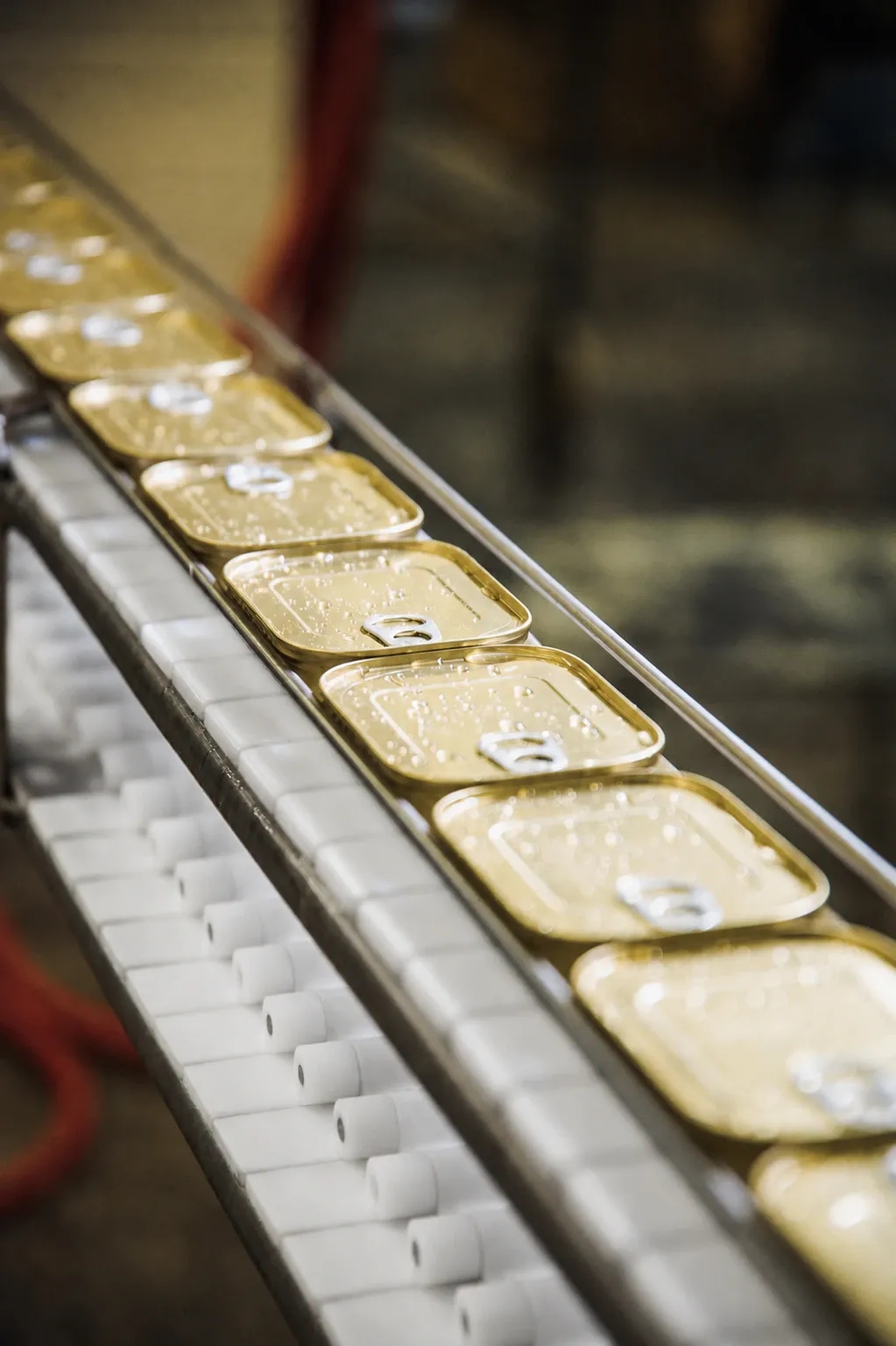
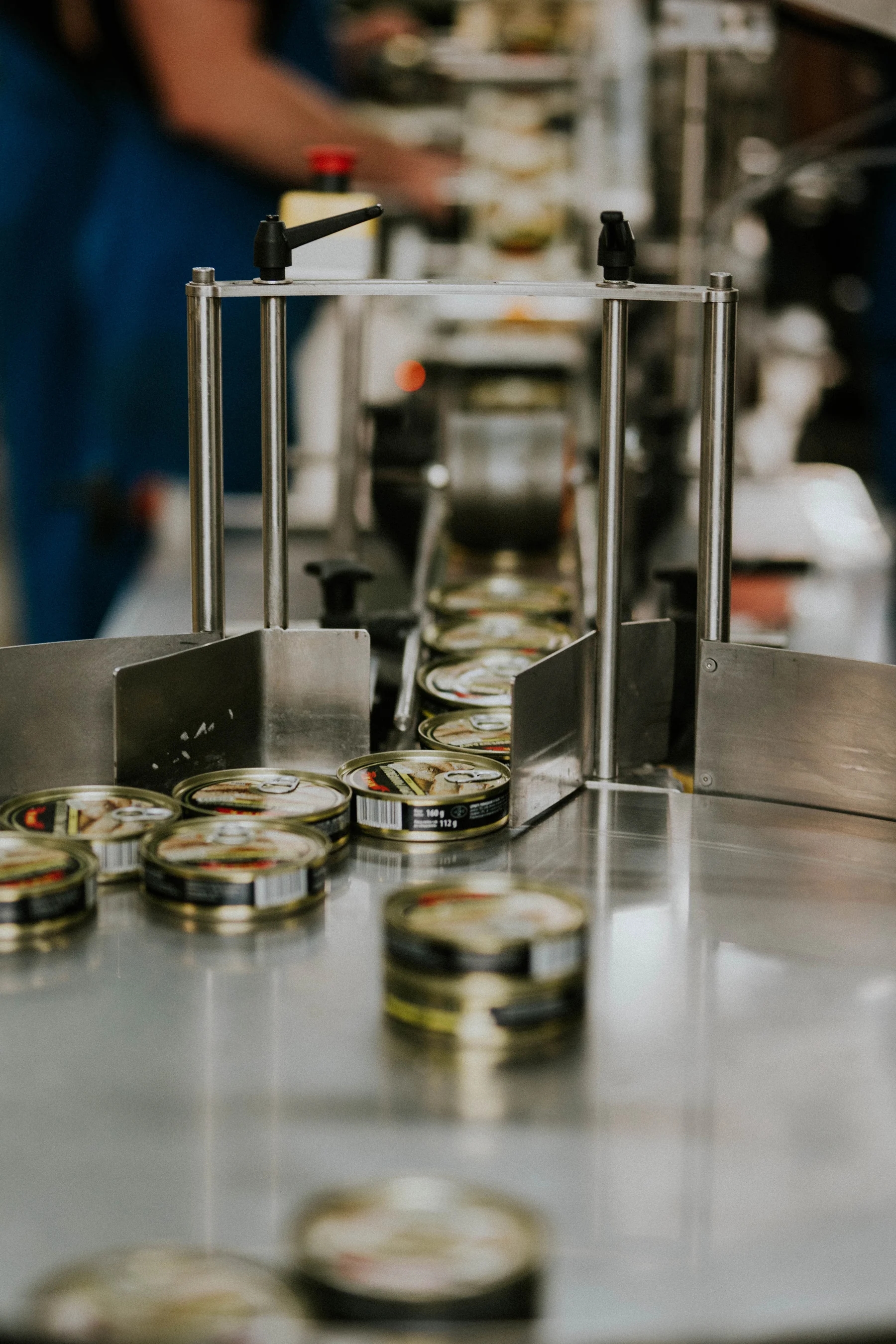
SIA Unda is a private-label canned seafood manufacturer based in Engure, Latvia. We work with retailers, distributors, importers and food brands on proven, adapted and custom products for international markets. Our portfolio provides a practical foundation for smoked seafood, sprats, brisling sardines, fried fish products, fillets, pâtés, spreads and ready meals.
Build a coherent first range with product, format and specification guidance from an experienced manufacturer.
Discuss this project →Add relevant products, flavours or formats while keeping your market position and commercial objectives in view.
Discuss this project →Assess a European manufacturing partner for additional resilience, portfolio breadth and repeat supply.
Discuss this project →Begin with a market need, target position and technical brief, then establish what can be developed responsibly.
Discuss this project →Timing, cost, minimum quantities and feasibility depend on the selected path. Every adapted or custom project remains subject to technical, commercial and quality approval.
An established recipe, available packaging format and known production process provide a lower-risk route to market under your brand.
A proven platform may be adjusted through flavour, sauce, oil, pack format, label or market-specific specification where technically feasible.
Strategic concepts can move through R&D, samples, tasting, packaging work and technical validation before commercial approval.
A current Diplomats product is evidence of a real manufacturing platform—not a promise that every variation is automatically available.

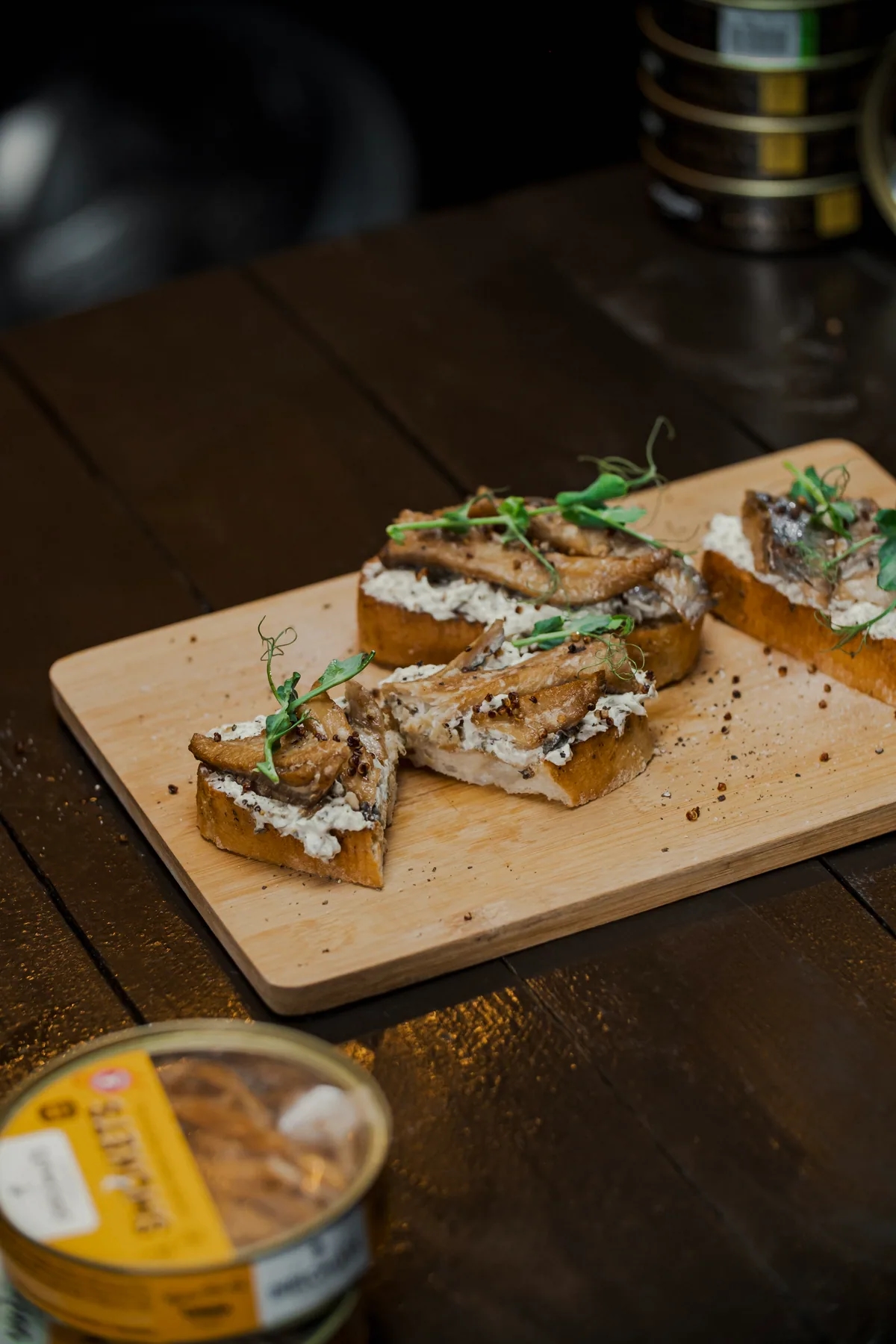
Smoked sprats, herring, trout and applicable cod-liver specialities provide a foundation for traditional, premium and gifting positions. Recipe and presentation options are reviewed against the intended market and pack.
Potential formatsEasy-open cans, jars and selected premium presentationsDiscuss this range →
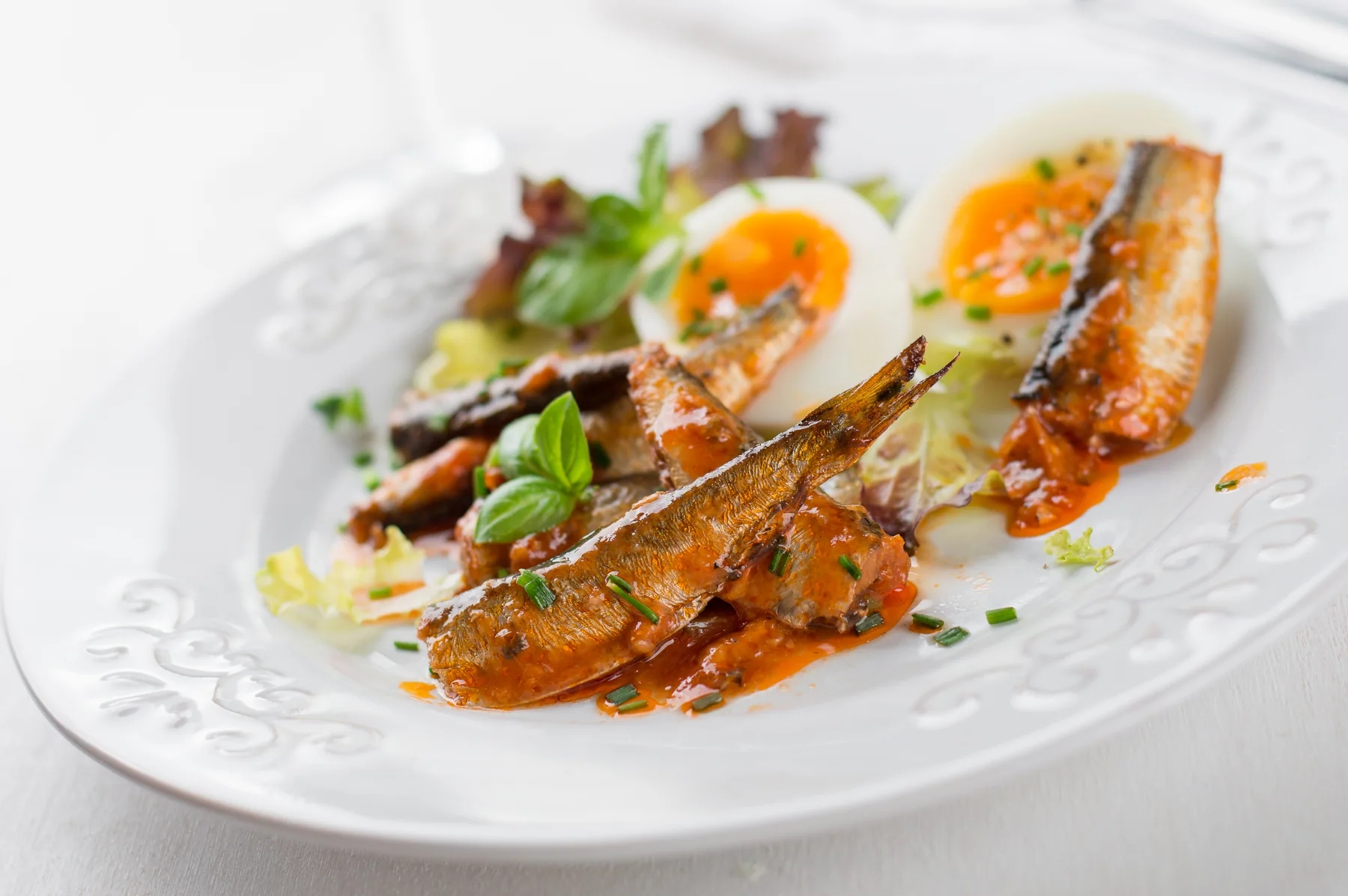
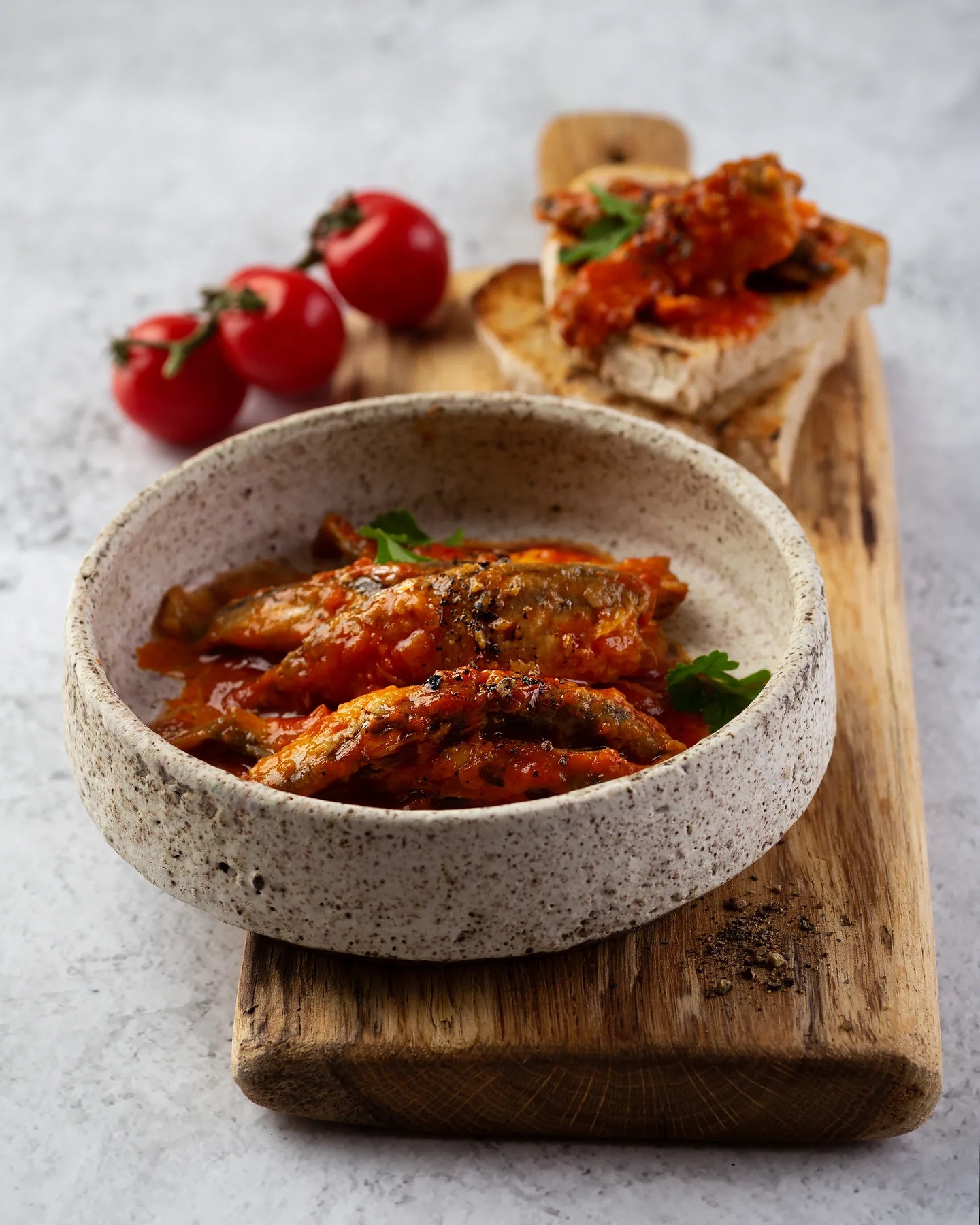
Products in oil, olive oil, tomato sauce and selected seasoned variants can serve familiar everyday ranges or more distinctive retail concepts. Transparent-lid and conventional formats are considered by product.
Potential formatsDingley cans, round cans, transparent-lid formats and jarsDiscuss this range →
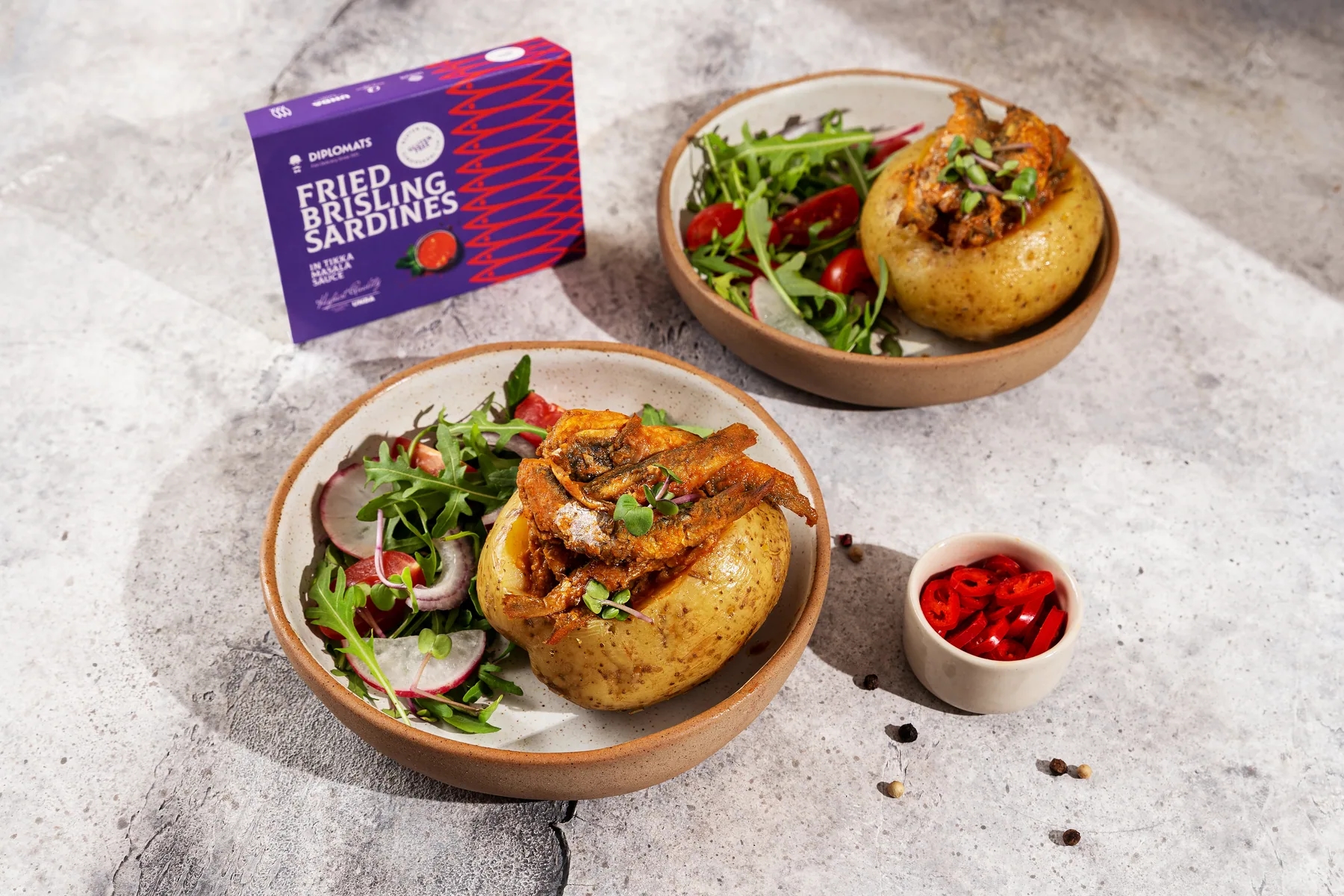
Fried sprats, brisling sardines and herring fillets support classic, spicy and aromatic sauce directions. Proven recipes offer a starting point; selected adaptations remain subject to trials and approval.
Potential formatsEasy-open and round can formats, depending on the productDiscuss this range →
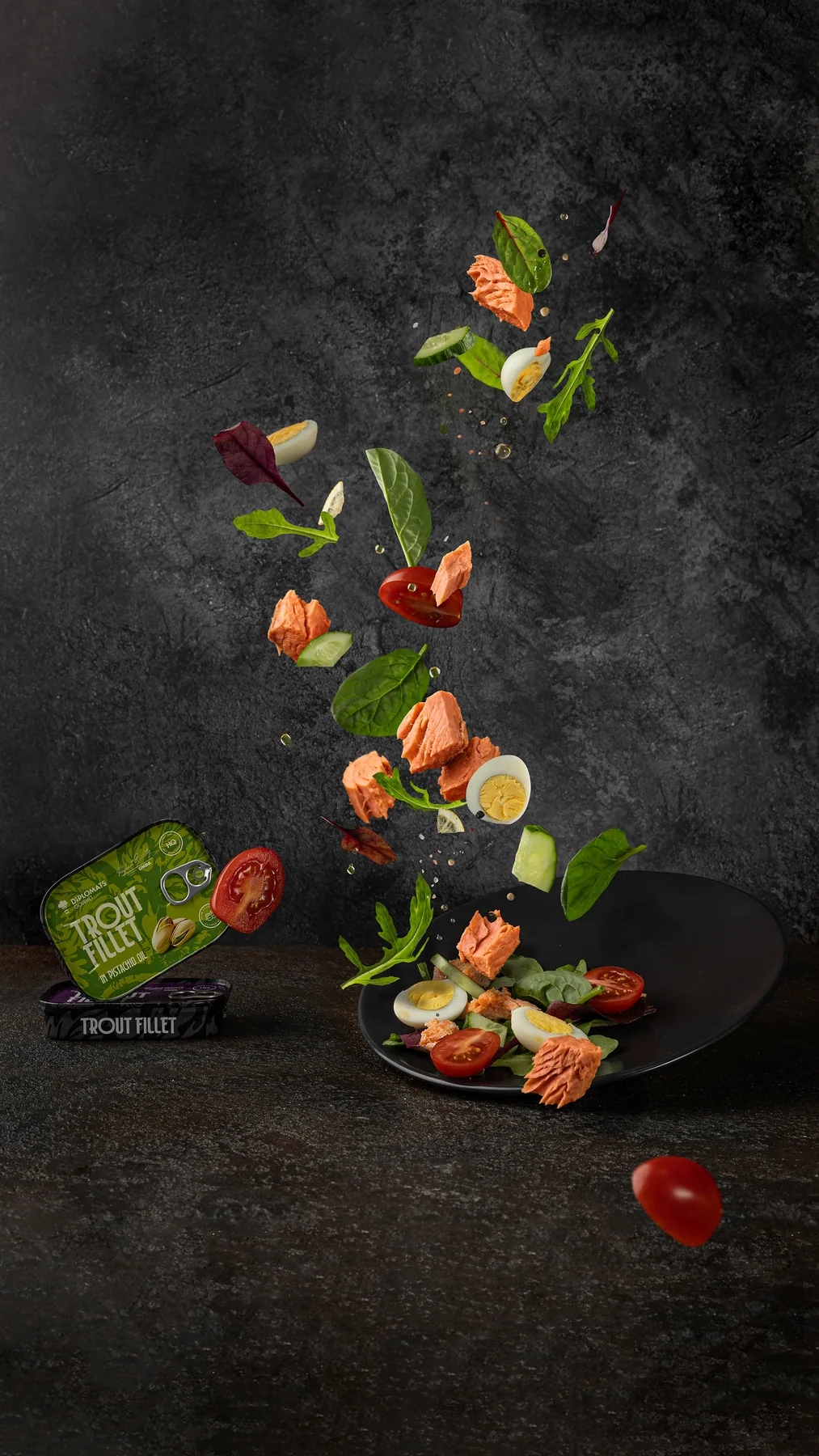
Trout, salmon, tuna and selected specialities address premium retail, delicatessen and carefully presented ranges. Product integrity and restrained recipes guide format and positioning decisions.
Potential formatsSelected easy-open cans and premium secondary packagingDiscuss this range →
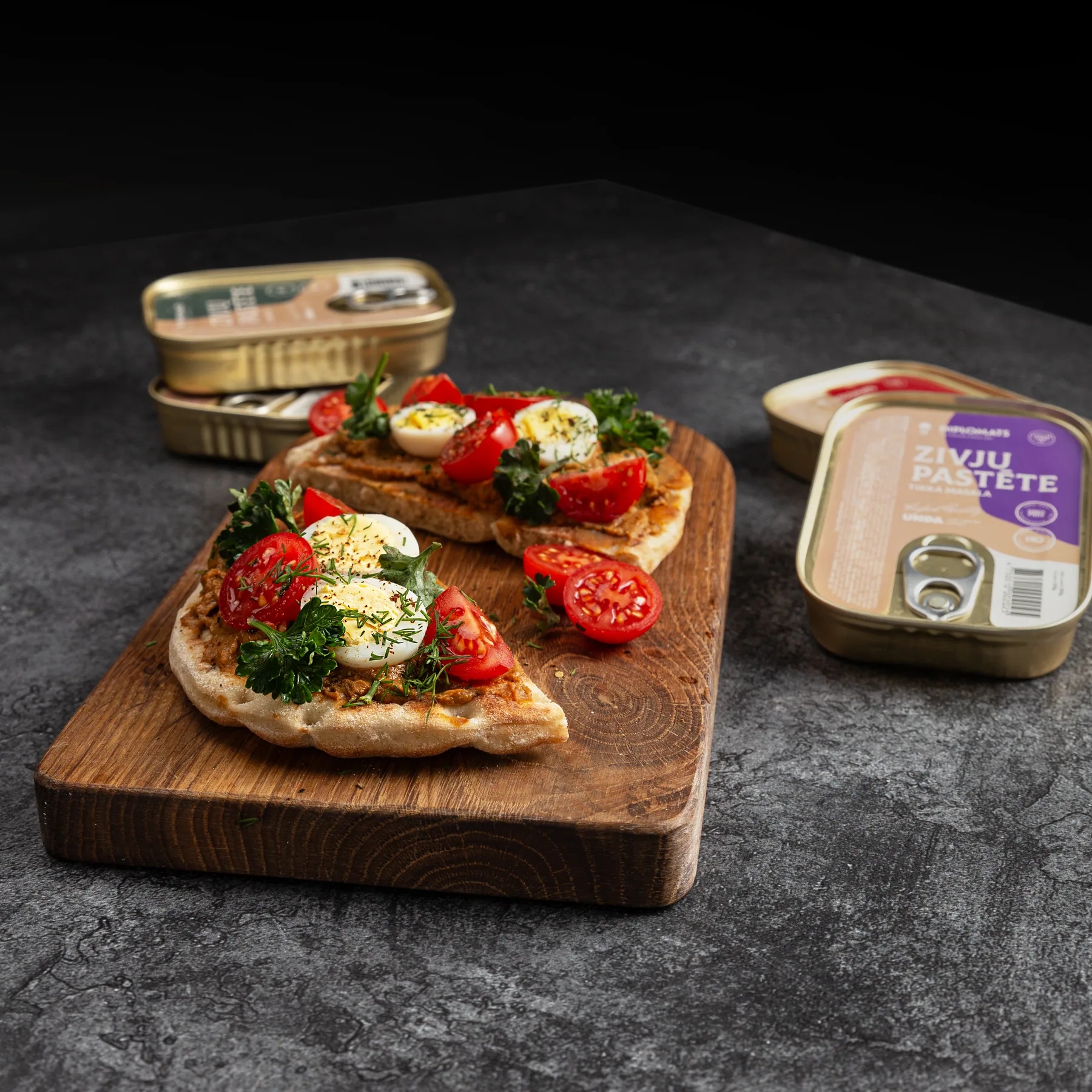
Classic, chilli and globally inspired pâté directions can support convenient everyday use and differentiated flavour ranges. Texture, recipe, market requirements and packaging are assessed together.
Potential formatsCompact easy-open cans and approved retail multipacksDiscuss this range →
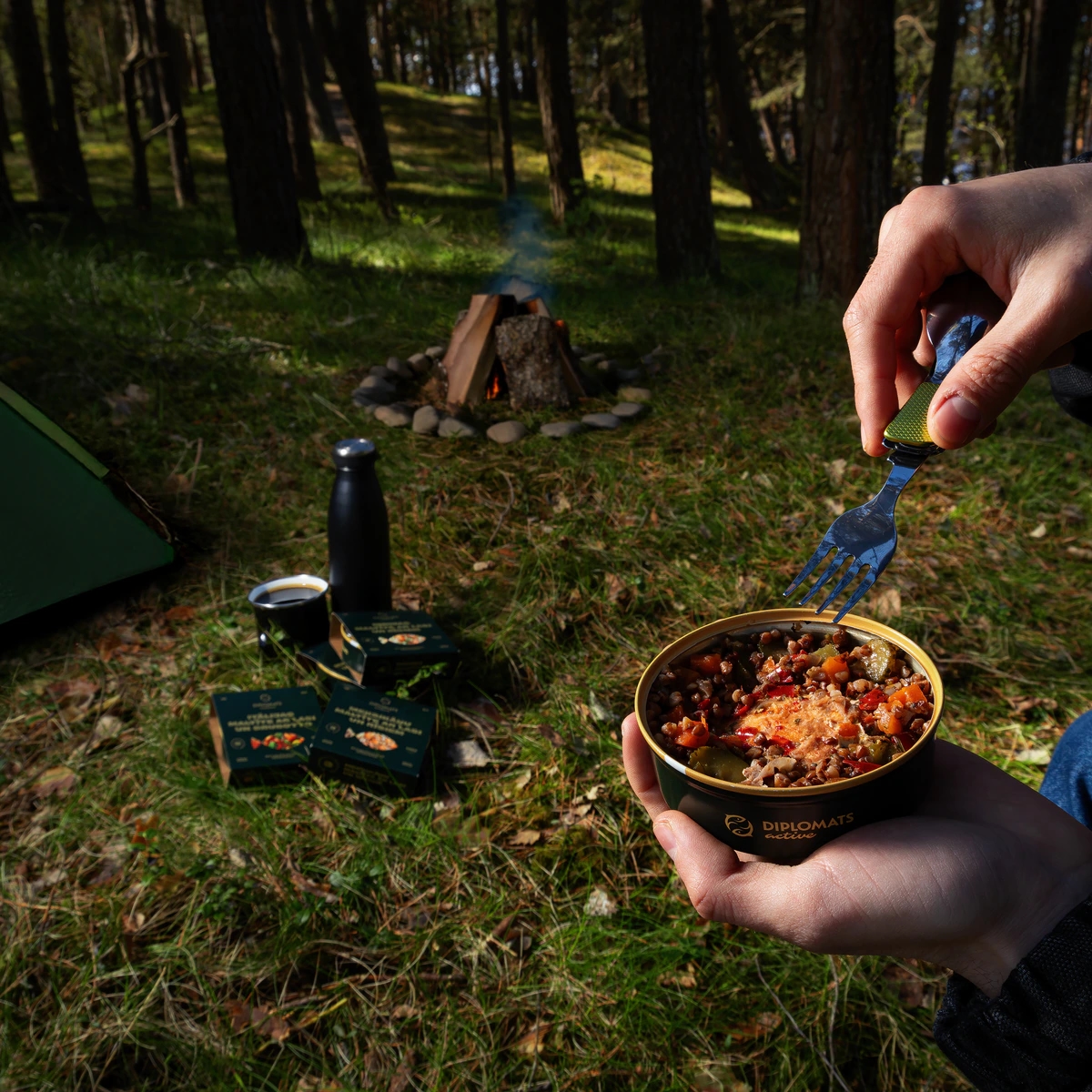
Salmon with grains or vegetables offers a practical platform for convenient, ready-to-eat ranges. Adaptation depends on recipe stability, packaging and the intended commercial programme.
Potential formatsApproved ready-meal can formatsDiscuss this range →
One product concept can be presented for different markets through the right primary and secondary packaging. Labels and sleeves may support a more flexible entry route; lithographed packaging normally requires greater commitment and planning.
A flexible route for clear market and language adaptation.
A committed packaging route that normally requires greater planning and volume.
A visible product presentation where the selected recipe and format allow it.
A familiar premium format for selected smoked seafood products.
Secondary packaging can shape gifting, assortment and premium positioning.
Indicative minimum production volumes often begin at approximately 10,000 units.
The final MOQ depends on the product, recipe, packaging format, artwork solution, degree of customisation, raw-material requirements and production planning.
SIA Unda is best suited to repeatable commercial cooperation. Enquiries below this orientation are still reviewed rather than rejected automatically.We review the target market, product type, segment, expected volume, target price and launch plan.
Together we choose a proven product, an adapted platform or a custom-development path.
Samples, tasting and practical adjustments establish the product direction.
Format, artwork route, languages, legal information and technical files are aligned.
Specifications, nutrition, ingredients, allergens, labels and traceability requirements are reviewed.
Materials, quantities and production planning are confirmed before controlled manufacture and batch release.
Export preparation, logistics and ongoing order planning support dependable commercial supply.
Quality is valuable when it protects the approved product, supports repeat supply and makes responsibilities clear. SIA Unda’s system combines HACCP, IFS Food, documented traceability and laboratory control. MSC applies only where the confirmed product and supply-chain scope allows it.
The approved product identity is carried through production and release.
Batch records and packaging identification support documented traceability.
Relevant microbiological, physical and chemical indicators are analysed in-house or by recognised external laboratories.
Documented recipes and process controls support consistent commercial production.

The manufacturing base in Engure supports product development, controlled production, packaging preparation and export cooperation for repeat commercial programmes.
A clear brief supports a more useful feasibility assessment, realistic recommendations and a better route to samples.
Our current product platforms include smoked seafood, sprats and brisling sardines, fried seafood, premium fillets, pâtés and spreads, and selected ready meals. A project begins with a feasibility review of the product, recipe, format and market requirements.
SIA Unda manufactures canned seafood in Engure, Latvia, where seafood production has taken place since 1907.
Indicative minimum production volumes often begin at approximately 10,000 units. The final MOQ depends on the product, recipe, packaging format, artwork solution, degree of customisation and production planning.
No. It is a practical orientation, not a universal promise. Raw materials, packaging, artwork, technical work and repeat-order potential all influence the final minimum.
Selected adaptations may be possible, including sauce, oil, flavour, format, label and market-specific specifications. Every change remains subject to technical, commercial and quality approval.
Custom development can include concept work, R&D, samples, tasting, packaging and technical validation. Feasibility, timing and commercial terms depend on the brief.
The current portfolio uses easy-open cans, round cans, transparent-lid formats, glass jars and selected sleeves or multipacks. Availability depends on the product, volume and packaging programme.
Yes. The project process can cover format selection, artwork route, language versions, legal information and technical files. Final responsibility and approvals are agreed for each market.
SIA Unda exports to more than 20 countries. Multi-market projects require each language, label, specification and regulatory requirement to be reviewed explicitly.
The food-safety and quality system includes HACCP and IFS Food. MSC applies only within confirmed product and supply-chain scope. FDA facility registration supports applicable US commercial activity and is not FDA product approval or endorsement.
Samples can form part of product selection or development. The type, timing and evaluation process depend on the selected product path.
Timing depends on whether the project uses a proven product, an adaptation or custom development, as well as packaging, artwork, testing and market requirements. A realistic schedule is established after the commercial brief.
Please share your company and market, product interest, packaging preference, expected volumes, price position, launch period, sales channel and required customisation or compliance conditions.
The facility maintains the registration required for applicable US commercial activity. Each product and programme still requires a specific technical, labelling and commercial review; registration is not FDA approval or endorsement.
Yes. SIA Unda discusses private-label projects with retailers, distributors, importers and food brands seeking repeatable commercial supply.
Tell us what you are building, where it will be sold and the commercial scale you are considering. We will use the brief to assess the most realistic next step.